Post-OPEC Surge
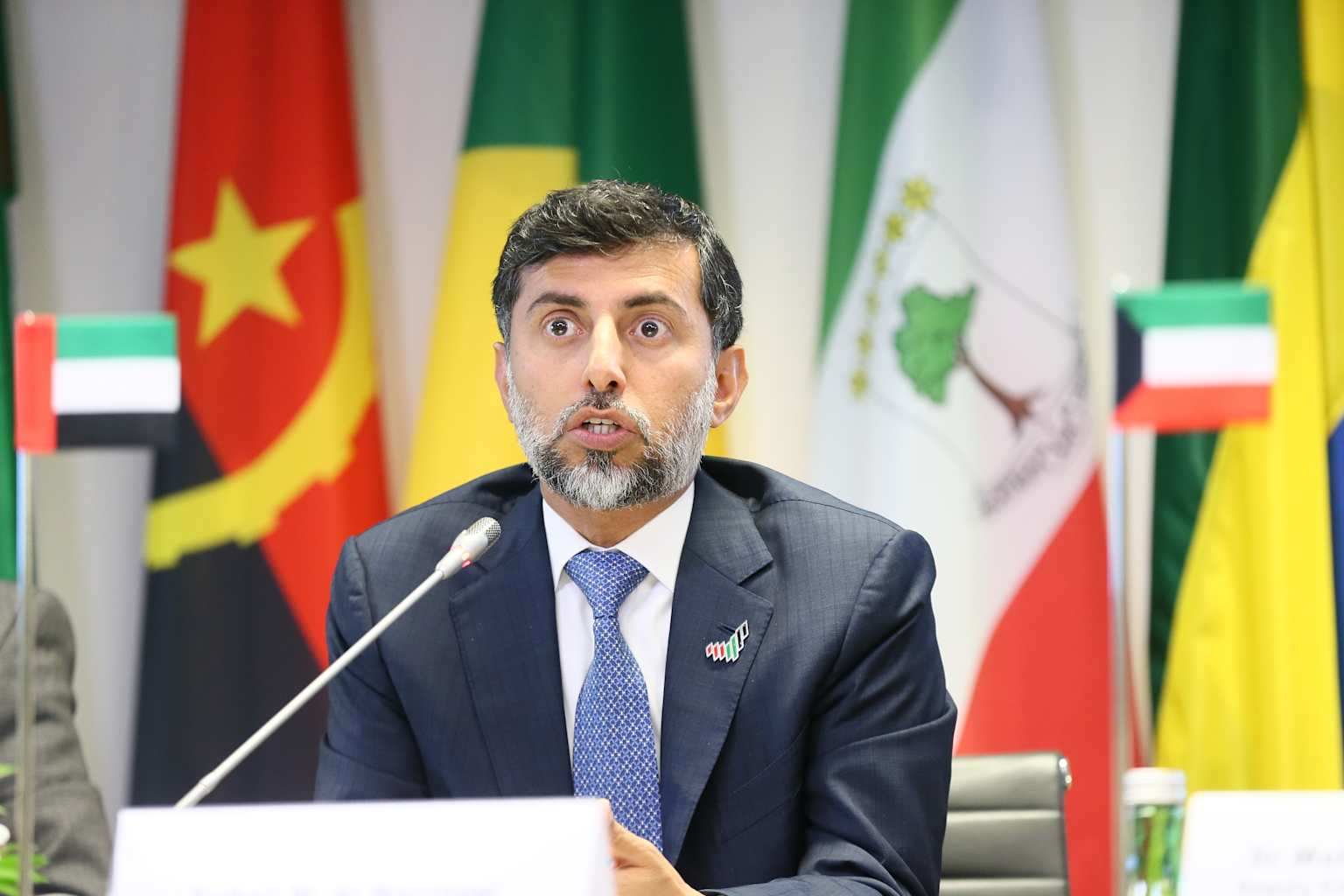
The record surpasses the UAE’s previous high set in April 2020 and represents a dramatic ramp-up from around 3.4 million barrels per day before the country’s exit from the cartel. The UAE formally withdrew from OPEC on May 1 after announcing the move on April 28, ending 59 years of membership and freeing itself from production quotas that Abu Dhabi had long chafed against. enerdata.net cnbc.com mecouncil.org
Reuters reported earlier this month that UAE output had already surged above 3.8 million bpd by early June, citing sources familiar with production data. The IEA’s figures now show output climbed further through the month as the Strait of Hormuz reopened to shipping following a US-Iran ceasefire agreement signed in mid-June. reuters.com aljazeera.com
Strait of Hormuz and the Iran Factor
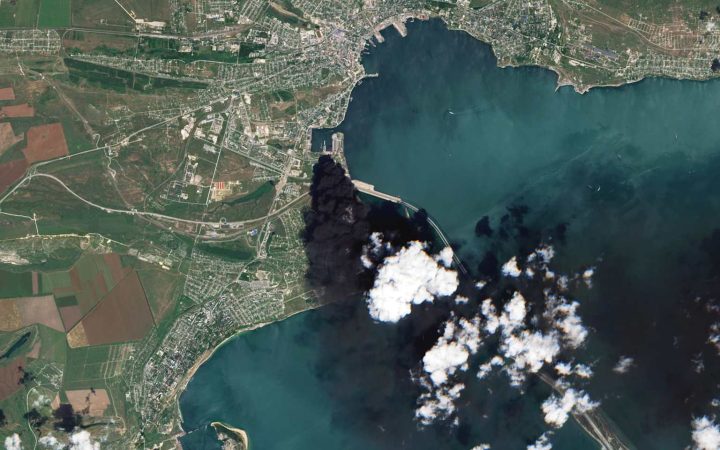
The waterway, through which roughly a fifth of global oil supply transits, had been disrupted during the US-Iran conflict that began in late February. A ceasefire brokered by Pakistan took hold on April 8, and a broader deal signed on June 18 — the “Islamabad MOU” — extended the truce for 60 days and formally reopened the strait. youtube.com aljazeera.com
However, renewed tensions have already tested the agreement. According to Axios, the US and Iran agreed on June 28 to halt strikes again after hostilities briefly flared, with President Trump threatening to “complete the job.” The fragility of the peace underscores the risk to Gulf producers even as they capitalize on reopened shipping lanes. axios.com
Capacity Ambitions Amid Falling Demand
State oil company ADNOC announced a $55 billion project pipeline for 2026–2028 days after the OPEC exit and has signaled readiness to push capacity beyond its 5 million bpd target by 2027. The UAE’s production capacity stands at roughly 4.8 million bpd, leaving room for further increases. adnoc.ae aljazeera.com reuters.com
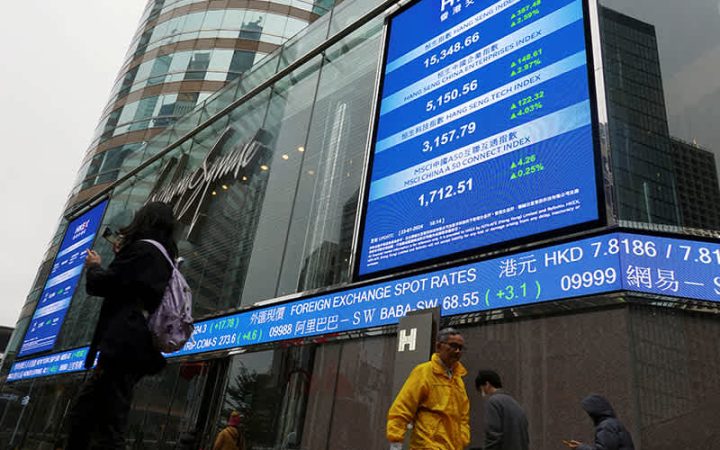
The record output arrives against a backdrop of weakening global demand. The IEA’s July report projects oil consumption will fall by 1 million bpd in 2026, the first annual decline since the pandemic. The UAE’s aggressive volume push — even as prices remain under pressure — reflects Abu Dhabi’s calculation that market share matters more than price in a shrinking demand environment. iea.org dtnpf.com