Kozack Defends Open Markets
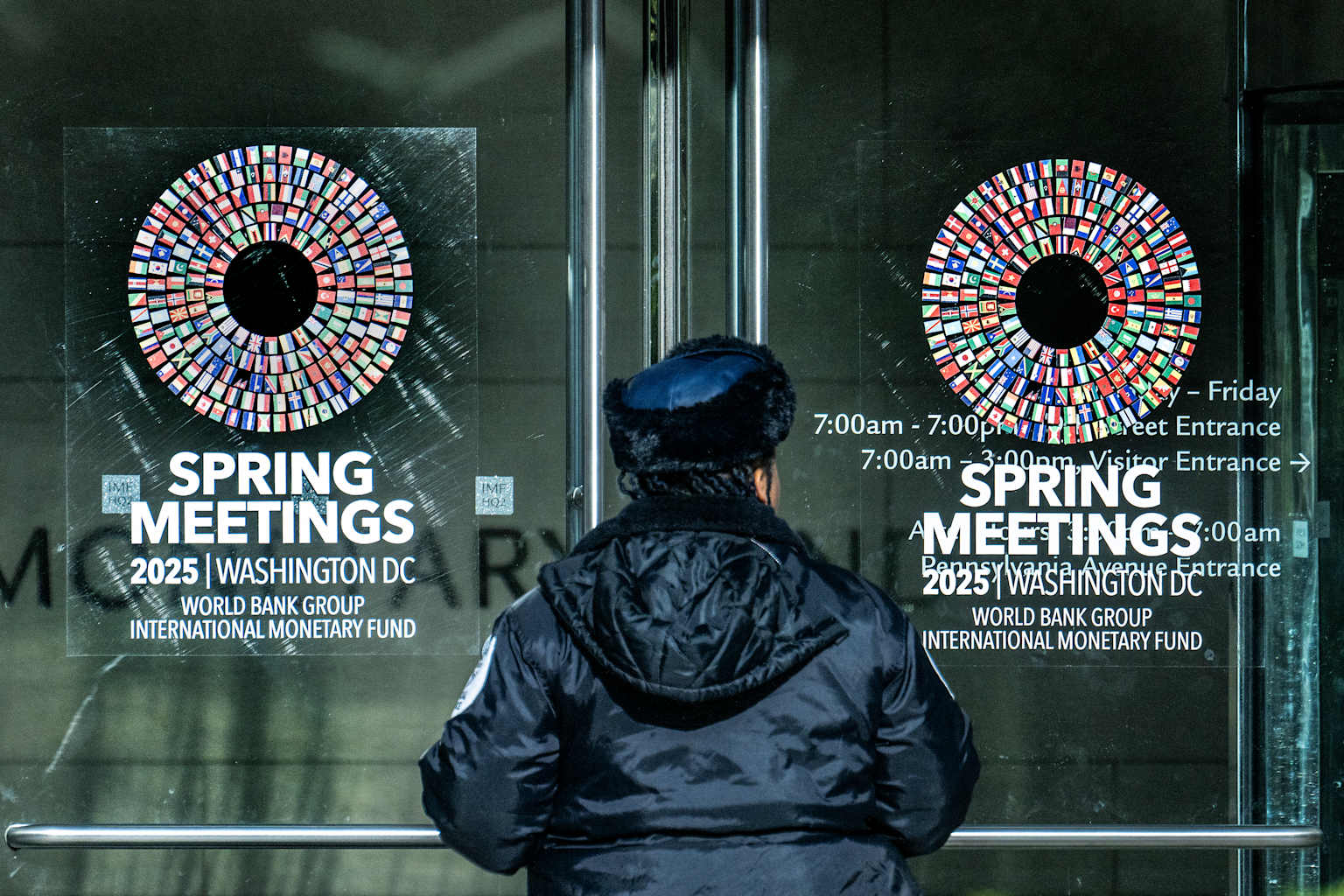
Speaking at the IMF’s regular press briefing on July 9, Communications Director Julie Kozack said the Fund’s position in favor of open trade remains unchanged despite an increasingly protectionist environment. imf.org socialnews.xyz
“We continue to support open markets and trade,” Kozack said. “We think that they’re important to raise global living standards and reduce poverty, and we’ve seen some of those positive impacts globally”. socialnews.xyz
Her comments responded to questions about U.S. tariff policy, including the expected transition from global tariffs imposed under Section 122 of the U.S. Trade Act to country-specific tariffs under Section 301. Kozack acknowledged that globalization has produced uneven outcomes, with some countries facing “job losses,” “wage pressures,” and rising inequality, but said those concerns do not diminish the case for maintaining an open trading system. socialnews.xyz
Tariff Revenue Gains May Be Temporary
Kozack also addressed the fiscal impact of U.S. tariffs. Citing the Fund’s latest Article IV assessment of the United States, she said tariffs are expected to generate additional government revenue equivalent to 0.7 percent of U.S. GDP in fiscal year 2025–26. cnbc.com socialnews.xyz
However, she cautioned that those gains are unlikely to persist. “We also noted that we expected that those revenues may decline over time as trade is reallocated and as import substitution takes hold,” Kozack said. socialnews.xyz
Broader Trade Slowdown
The briefing followed the release of the IMF’s July 2026 World Economic Outlook Update, which projected global growth of 3.0 percent this year — down from 3.5 percent averaged in 2024–25 — and warned of trade fragmentation as a continuing drag on activity. World trade volume growth is expected to slow sharply to 3.5 percent in 2026 from 5 percent in 2025, a year marked by heavy front-loading of imports ahead of U.S. tariffs, according to Reuters. reuters.com ca.finance.yahoo.com imf.org
The IMF left its 2026 U.S. growth forecast unchanged at 2.3 percent while cutting the euro area outlook to 0.9 percent. In 2025, the U.S. raised average tariff duties from 2.4 percent to 9.6 percent, bringing protectionism to its highest level in 80 years, according to a Brookings Institution analysis. ca.finance.yahoo.com brookings.edu