Heat Waves Intensify Globally
Mukhtar Babayev, Azerbaijan’s COP29 President and Presidential Representative on Climate Issues, told the opening ceremony of the 20th Baku Summer Energy School on July 6 that the extreme heat waves observed in Europe and other regions “once again demonstrate that the impacts of climate change are intensifying.” He noted that floods, droughts, heat waves, and other hydrometeorological disasters are becoming more frequent and severe. dhapress.com azernews.az
The World Weather Attribution group of climate scientists said in a June 26 analysis that the record-breaking heat wave engulfing Western Europe would have been “virtually impossible” without human-caused climate change, which has made soaring night-time temperatures 100 times more likely than they would have been two decades ago. Since late May 2026, temperature records have been broken in more than a dozen European countries, and by early July, over 5,600 excess deaths had been reported. reuters.com en.wikipedia.org
In the United States, more than 160 million people were placed under extreme heat warnings or advisories as a dangerous heat wave covered much of the country in early July. California and the West Coast faced temperatures projected to exceed 115°F in some areas. youtube.com news.climate.columbia.edu
Nuclear Power Under Strain
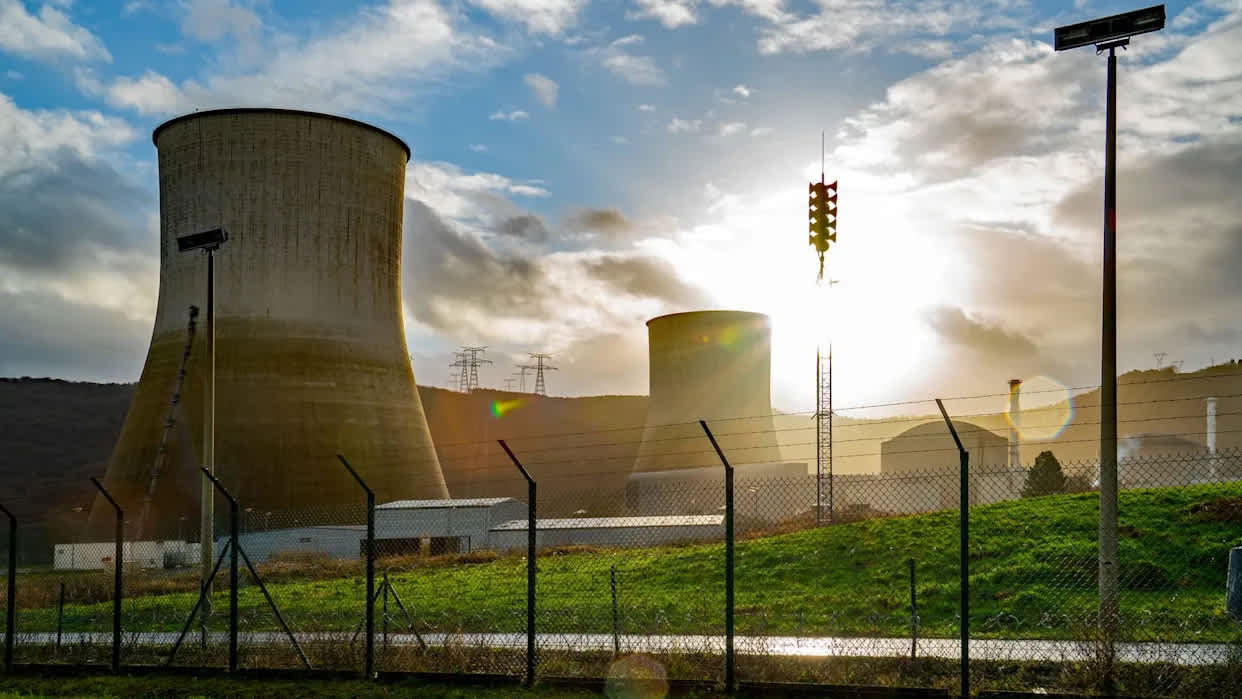
Babayev highlighted that the heat waves have reduced electricity production at European nuclear power plants by more than 10 percent, as falling river water levels and rising water temperatures hamper cooling systems. In France, EDF shut down Unit 2 at the Golfech Nuclear Power Plant on June 22 after the Garonne River reached the regulatory maximum intake temperature of 28°C, according to MIT Technology Review. Reuters reported on June 24 that the heat wave further reduced France’s nuclear output as elevated temperatures limited the availability of cooling water. reuters.com azernews.az technologyreview.com
Scientists Sound the Alarm
Former federal climate experts warned in June that atmospheric carbon dioxide concentrations hit a record high in May, with monthly average global temperatures this summer potentially rising as much as 1.9°C above pre-industrial levels. The rapid pace of warming has left researchers struggling to keep up. As the World Weather Attribution analysis noted, a similar heat wave in June 1976 would have been around 3.5°C cooler than the current one. insideclimatenews.org reuters.com
“Global interest in nuclear energy has grown significantly since COP28,” Babayev said. “However, recent heatwaves in Europe have also affected the nuclear energy sector. These developments further increase the relevance of discussions on climate change.” azernews.az