Korea’s Leveraged ETF Ban Triggers Ripple Effect
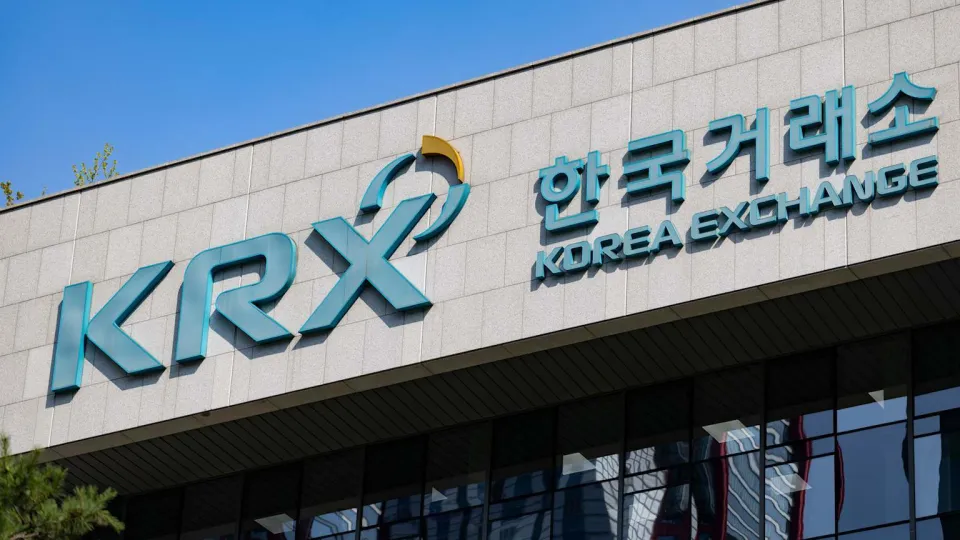
South Korea’s Financial Services Commission announced Thursday that it will temporarily ban new listings of single-stock leveraged ETFs tied to major technology firms, while tripling the minimum deposit required for retail investors to trade such products to 30 million won (approximately $20,300), effective August 5. The move follows months of volatility in funds linked to Samsung Electronics and SK Hynix, which ballooned in popularity after their late-May launch. YYahoo Finance
Rreuters
Bbloomberg
Aajupress
The regulatory action sent shockwaves through Asian markets, with the Kospi declining sharply as SK Hynix and Samsung fell. The selling cascaded into U.S. trading, where AI memory stocks including Western Digital and SanDisk were among the hardest hit. Wwsj
YYahoo Finance
TSMC Earnings Fail to Stem the Bleeding
The decline persisted even after Taiwan Semiconductor Manufacturing Company reported its fifth consecutive quarter of record profits earlier Thursday. Reuters reported that TSMC’s U.S.-listed shares fell 2.1% despite the results, as investors cycled through risk-on and risk-off sentiment amid scrutiny of high valuations. Wwsj
Rreuters
The Nasdaq Composite dropped 1.5% on the session while the S&P 500 lost 0.5%, with chip weakness offsetting upbeat earnings from UnitedHealth Group and GE Aerospace. YYahoo Finance
Supply-Demand Debate Intensifies
The sell-off arrives against the backdrop of a structural memory chip shortage driven by AI infrastructure spending. Up to 70% of memory chips produced globally in 2026 are destined for AI data centers, according to industry analysis, as manufacturers prioritize high-bandwidth memory over consumer-grade products. Analysts expect supply constraints to persist into 2027, though some are now questioning whether the shortage will peak in the current quarter as capital expenditure growth faces renewed scrutiny. Eeverstream
Uunibetter-ic
HHp
The Wall Street Journal reported that the broader market remained under pressure from geopolitical concerns, with investors monitoring the U.S.-Iran conflict alongside the tech rout. YYahoo Finance
Wwsj