The China Cushion
Since the Iran war broke out in late February, China has slashed crude imports by roughly 4 million barrels per day from pre-conflict levels, drawing instead on domestic stockpiles estimated at 1.2 to 1.4 billion barrels at the end of 2025. Chinese imports fell 41.3% year-on-year in June to just 7.12 million barrels per day, the lowest in nearly a decade. YYahoo Finance
Bbreakbulk
Ddiscoveryalert
YYahoo Finance
Reuters reported on Thursday that China has averaged just 8 million barrels per day of imports since April, down from a five-year average of 11.5 million. That reduction — equivalent to roughly 3.5% of global demand — freed cargoes for other importers and helped Brent crude retreat from a peak of around $126 per barrel in April to levels below its pre-war price. Rreuters
Rreuters
Buffers Running Dry
The International Energy Agency coordinated a record release of about 400 million barrels from emergency reserves during the conflict, while the United States sold 133 million barrels from its Strategic Petroleum Reserve. The International Monetary Fund warned this week that much of that cushion has now been exhausted. Rreuters
Ttradearabia
A Brookings Institution analysis published in May estimated that by mid-July, “the full extent of temporary buffers will have been exhausted, with an overall market adjustment of 7.1 mb/d needing to be absorbed”. Bbrookings
Re-escalation Compounds Risk
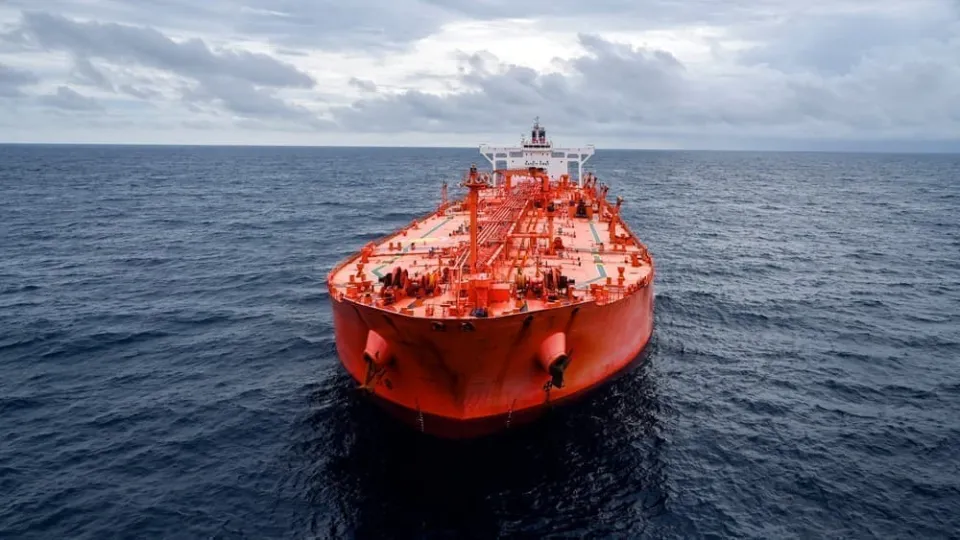
The timing is precarious. Reuters reported on Wednesday that a week-long military escalation between the United States and Iran has largely unraveled last month’s truce, with six consecutive nights of U.S. strikes and renewed disruption to tanker traffic through the Strait of Hormuz. Rreuters
As Goldman Sachs noted, the combination of slowing Hormuz traffic, dwindling reserves, and the prospect of renewed Chinese buying has created “a stronger structural floor under oil prices”. Analysts at Kpler cautioned that China remains a passive buyer for now, but once stockpile drawdowns force Beijing back into the market, the current equilibrium could shift quickly. Kkpler
Ttradearabia