Geopolitical Shock Ripples Across Markets
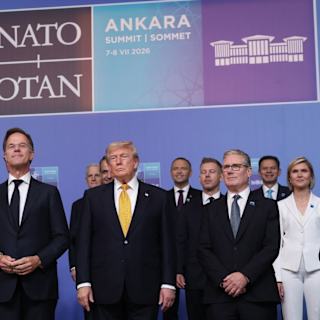
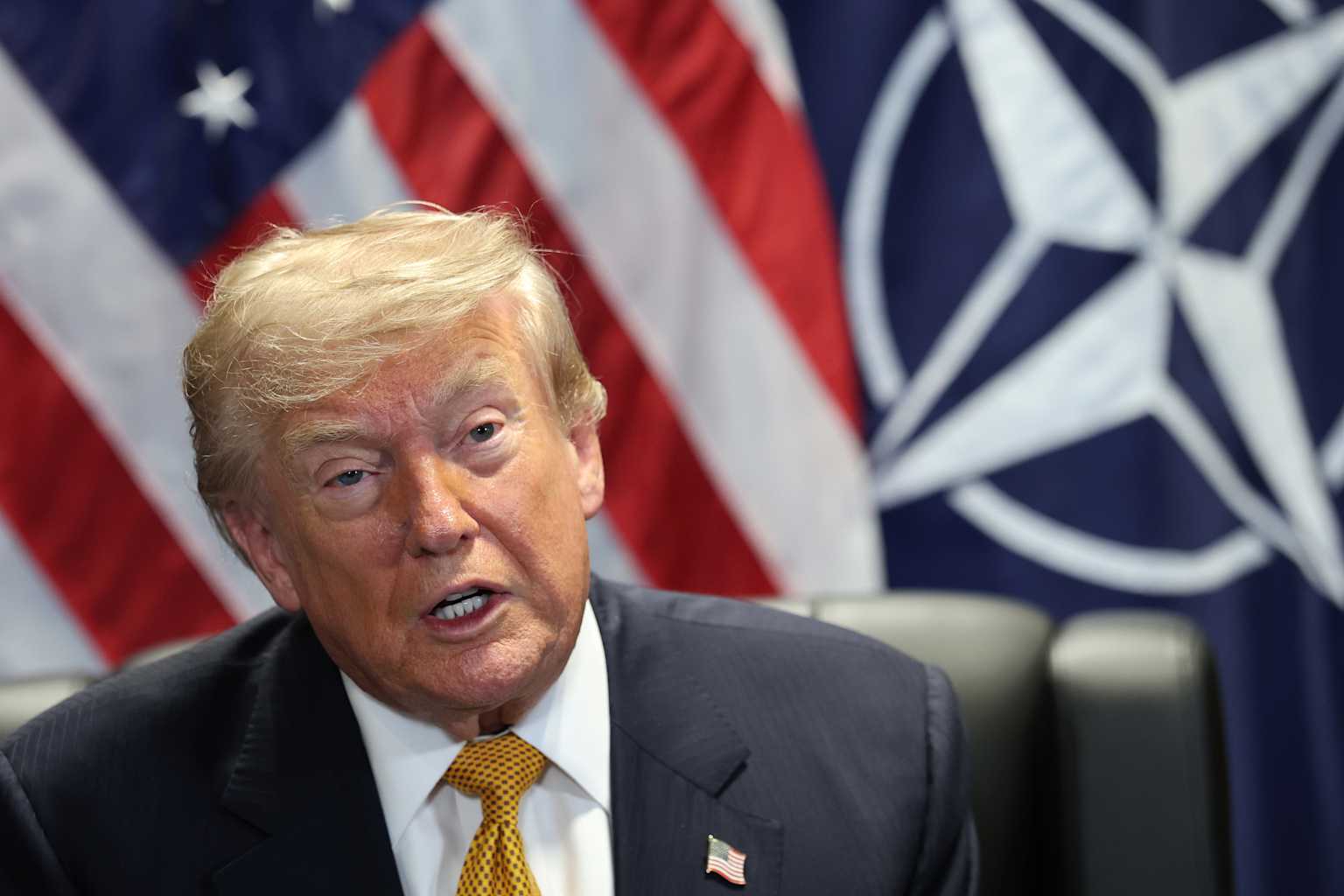
Trump’s remarks came after U.S. strikes on more than 80 sites in Iran and fresh Iranian attacks on oil tankers near the Strait of Hormuz. “To me, I think it’s over,” Trump told reporters in Ankara. “I don’t want to deal with them anymore. They’re scum.” bbc.com nbcnews.com
The declaration sent oil prices surging, with Brent crude climbing more than 6% to roughly $78.50 a barrel and West Texas Intermediate rising above $74, according to The Wall Street Journal. The S&P 500 fell 0.3%, the Dow Jones Industrial Average dropped more than 500 points, and Nasdaq Composite futures had plunged more than 1% before the open, per the Associated Press. The Washington Post reported European stocks also declined. washingtonpost.com wsj.com apnews.com
Bitcoin Tracks Risk, Not Haven Flows
Bitcoin was priced at $62,084 as of Wednesday morning, down more than $1,100 from the prior day, according to Fortune. The cryptocurrency had attempted to break above $64,000 on Monday evening but was rejected, with CoinDesk reporting it touched $64,400 before slipping back into the low $63,000s on Tuesday. fortune.com coindesk.com
Rather than catching a geopolitical bid as a supposed “digital gold,” Bitcoin moved in lockstep with equity futures lower. A recent academic paper examining Bitcoin’s behavior during the U.S.-Iran conflict found limited evidence of safe-haven properties during major geopolitical crises. papers.ssrn.com
Stablecoin Drain Adds to Headwinds
Compounding the pressure, the stablecoin market contracted to $312 billion in June — its largest monthly decline since the TerraUSD collapse in 2022, according to CoinDesk. CryptoQuant data showed USDC and USDT market caps fell 3.6% and 2% respectively over 30 days, while stablecoin inflows dropped from $3.2 billion in mid-May to around $2.65 billion, per TradingView. phemex.com coindesk.com tradingview.com
The liquidity drain removes what traders call “dry powder” — capital parked in stablecoins that can quickly rotate into Bitcoin and other tokens. With that cushion thinning and geopolitical risk rising, Bitcoin’s path back toward $64,000 faces resistance on multiple fronts.