Hormuz Crisis Rattles Markets
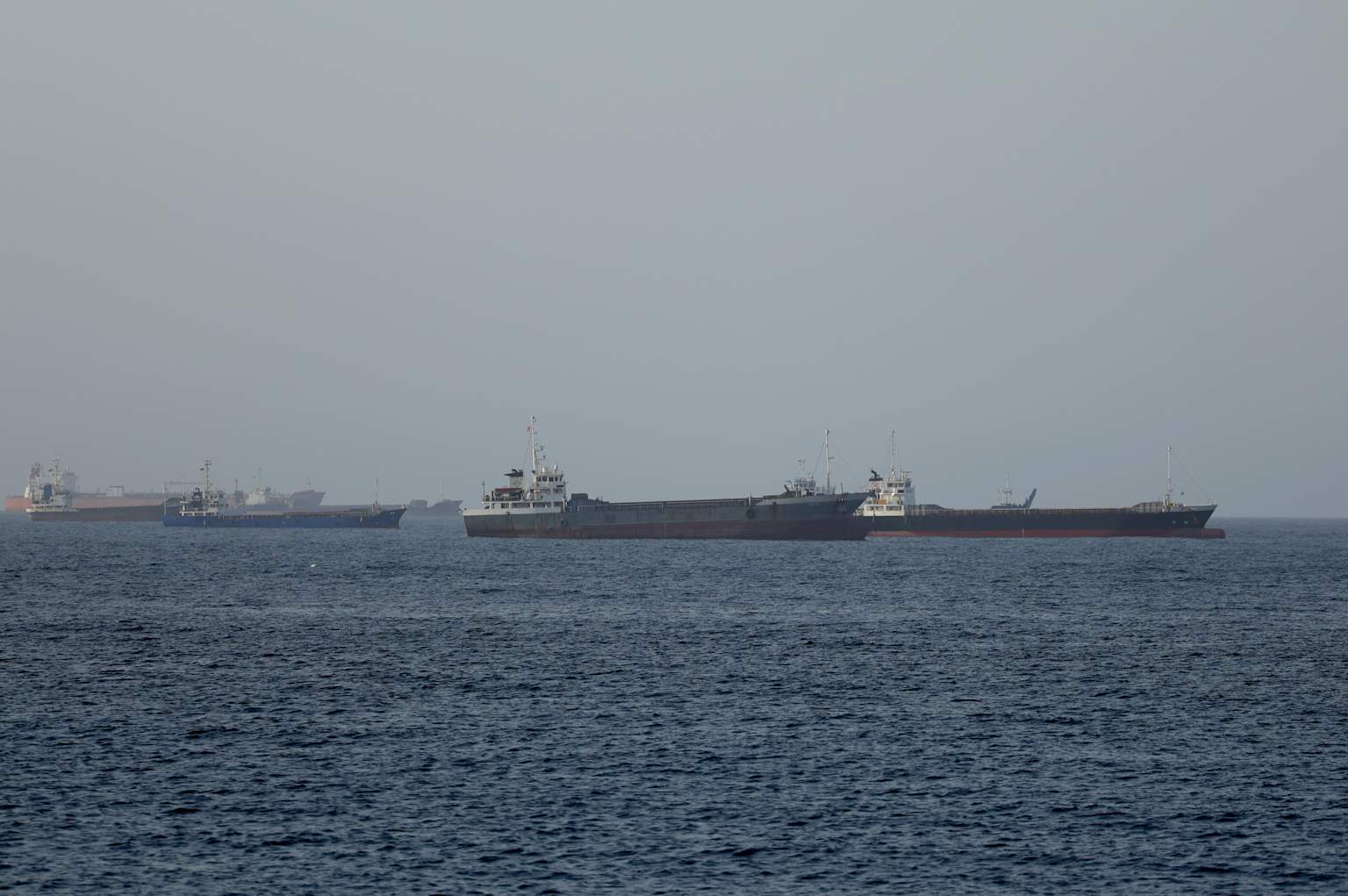
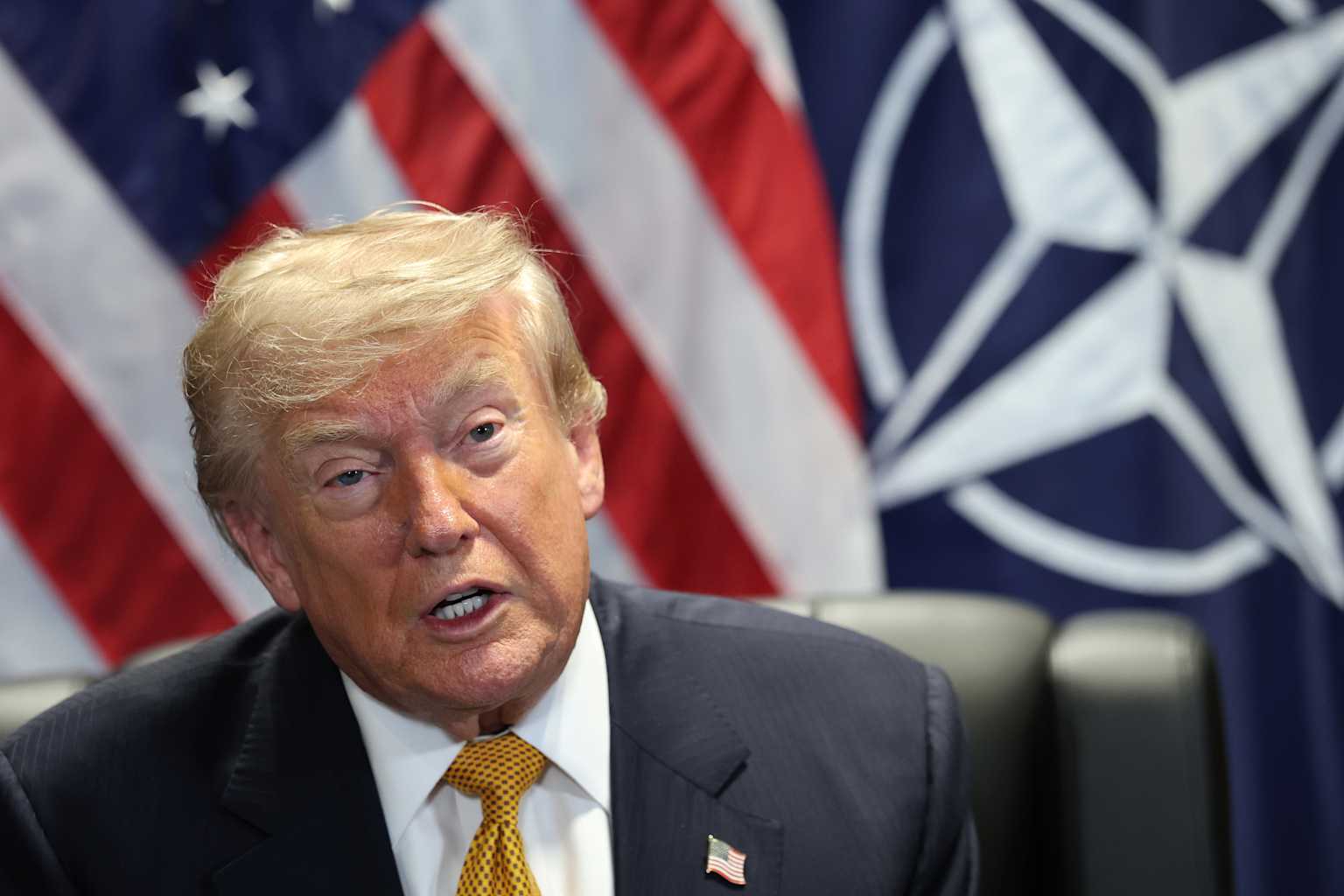
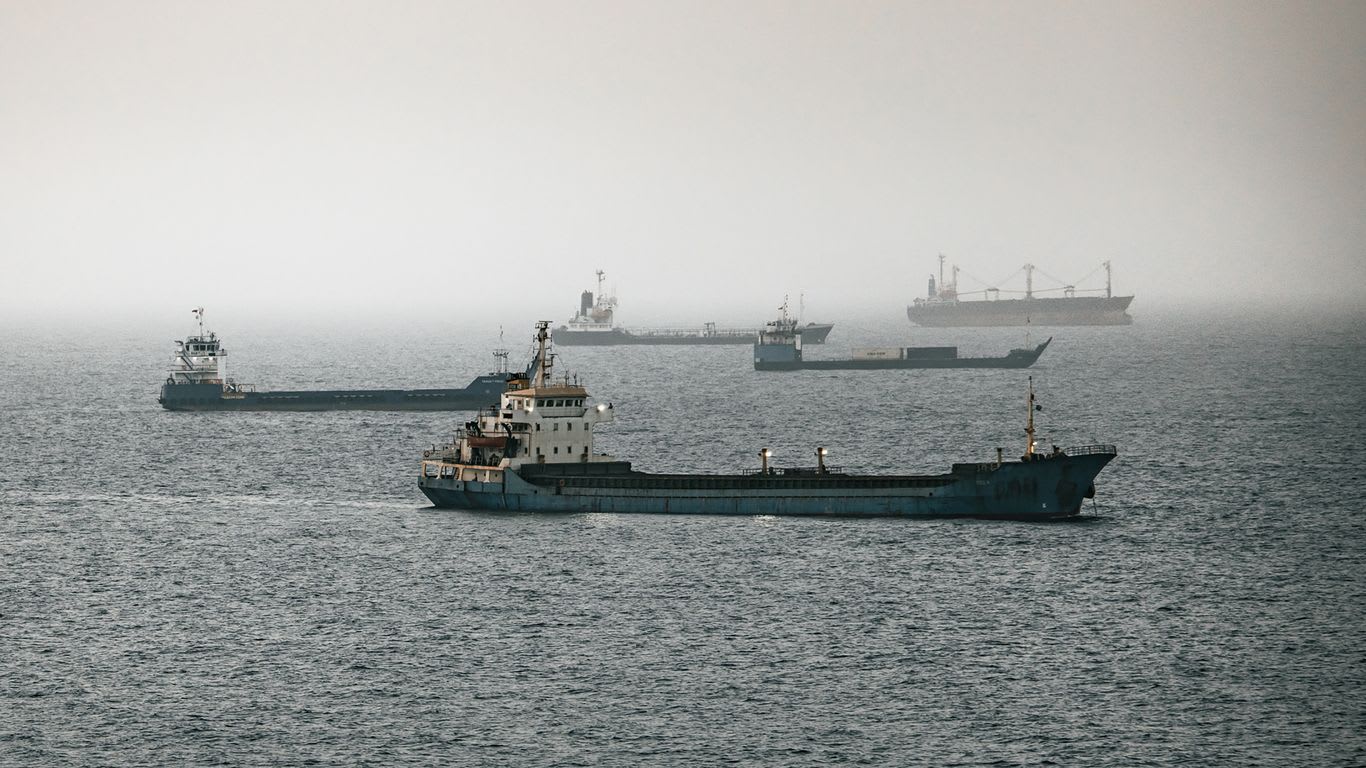
Iran’s Revolutionary Guards fired missiles at commercial ships transiting the Strait of Hormuz earlier this week, damaging at least three vessels including Qatari and Saudi tankers, according to Reuters. The United States responded with strikes against more than 80 Iranian targets, according to Fox News, with U.S. Central Command saying forces had hit Iranian missile and drone storage sites as well as coastal radar installations. President Donald Trump declared the ceasefire deal with Iran “over,” calling further negotiations a “waste of time”. aljazeera.com reuters.com nytimes.com foxnews.com
The escalation pushed the dollar higher as investors sought the perceived safety of the world’s reserve currency. GBP/USD declined to around 1.3352 on Wednesday amid what Investing.com described as “a general deterioration in the external environment and a decline in risk appetite”. FXStreet reported the pair alternating gains and losses around 1.3360, with upside “capped as markets stay cautious”. investing.com fxstreet.com
Resistance Layers Cap Sterling Recovery
Scotiabank strategists Shaun Osborne and Eric Theoret noted that the pound found resistance near 1.3400, roughly corresponding to both the 50- and 200-day moving averages. They identified “dense resistance at several levels (1.3420, 1.3450, 1.3500, 1.3520) ahead of 1.3600” and projected a near-term range between 1.3350 and 1.3450. Clearing the 1.34–1.35 zone remains a prerequisite for any sustained recovery toward 1.36. fxstreet.com
Domestic Factors Offer Some Support
Despite the geopolitical headwinds, the pound retained some underlying support from Bank of England policy expectations. Markets are pricing roughly a 76% probability of a rate hike before year-end, with the likelihood of tightening as early as November exceeding 50%. Governor Andrew Bailey has confirmed inflation remains above target and that rate cuts are “not imminent,” reinforcing the hawkish outlook. However, analysts noted that the pound’s near-term direction will hinge primarily on how the Hormuz crisis evolves rather than domestic monetary policy signals. investing.com