Weak GDP Fails to Trigger Easing
The decision comes days after data showed China’s economy grew 4.3% year-on-year in the second quarter, down from 5.0% in the first quarter and below the lower end of Beijing’s 4.5%-5.0% full-year growth target. The slowdown was driven by weak household consumption, even as manufacturing and exports remained strong — a pattern analysts describe as uneven or “two-speed” growth. Rreuters
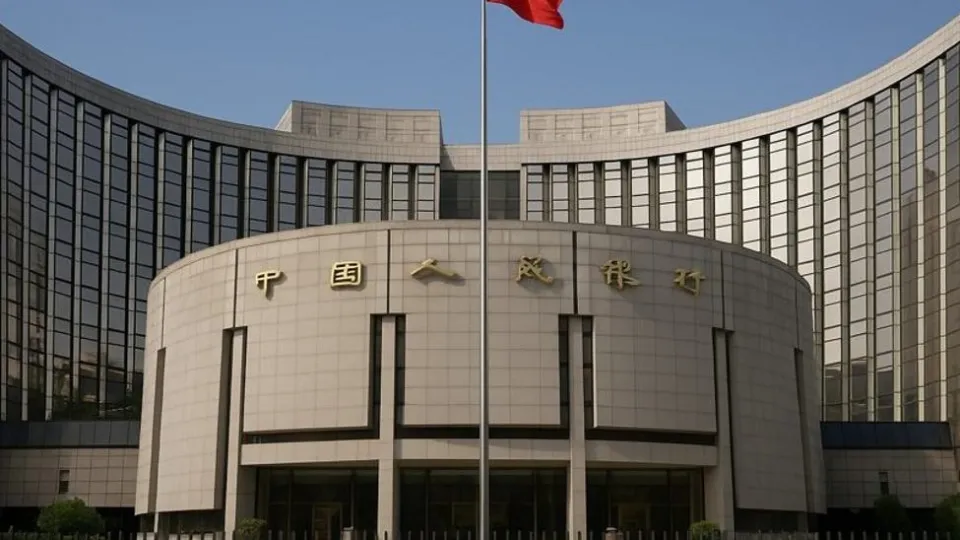
Despite the miss, the first-half growth rate of 4.7% remains within the government’s target range, reducing the urgency for broad-based monetary stimulus. The PBOC’s seven-day reverse repo rate, which underpins LPR pricing, has not changed this year, and the central bank has signaled it sees little need for immediate rate reductions. Rreuters
Rreuters
Rreuters
Diverging Views on What Comes Next
While the consensus holds that rates will stay flat this month, some analysts see a potential shift in the months ahead. Citi has projected a possible 10-basis-point rate cut from the PBOC as soon as July, though market pricing does not yet reflect such a move. Goldman Sachs has pointed to faster implementation of existing fiscal measures as the most likely policy response to softer domestic demand, rather than outright monetary easing. Ccryptobriefing
UUsnews
The LPR has remained at current levels since May 2025, making this the longest pause in the rate cycle since the mechanism was reformed in 2019. The PBOC has maintained what it calls a “moderately loose” monetary policy stance but has refrained from including language about imminent rate or reserve requirement cuts in recent communications. Mmorningstar
Rreuters
Ttradingeconomics
Rreuters
Whether the soft second-quarter data proves to be a turning point depends largely on whether consumption weakness persists into the third quarter — a question that will shape policy expectations through the summer.