Chip Selloff Defies Strong Earnings
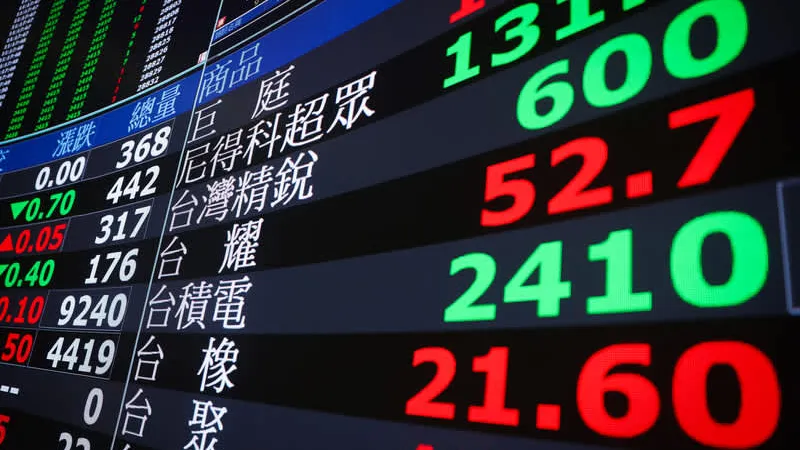
The semiconductor rout deepened despite robust results from Taiwan Semiconductor Manufacturing Co. and an upgraded outlook from ASML. TSMC shares fell 7.3% in Taipei on Friday after investors focused on rising capital expenditure and margin pressure from its 2nm process ramp-up, rather than its raised revenue projections. ASML had lifted its full-year 2026 revenue guidance to between €43 billion and €45 billion, up from a prior range of €36 billion to €40 billion, sending shares up 5% earlier in the week — gains that were quickly erased in the broader tech retreat. Bbloomberg
Ttradingview
Ttradingview
Ttaiwannews
A Bloomberg index of Asian chip stocks tumbled more than 6% on Friday, led by heavy losses across Japan and South Korea. Investors rotated out of semiconductor plays into sectors such as banking, leaving Asia particularly vulnerable given its heavy exposure to chips, according to Reuters. Ttheedgemalaysia
Rreuters
Oil Surges on Strait of Hormuz Fears
Oil prices remained near their highest in a month as the US-Iran conflict intensified. Brent crude settled at $84.23 a barrel on Thursday, having earlier hit levels not seen since mid-June. The escalation followed US strikes on Iranian infrastructure, attacks on commercial vessels near the Strait of Hormuz, and the Treasury Department’s decision to revoke a temporary sanctions waiver on Iranian oil effective July 17. Aaljazeera
Rreuters
Tehran asked Yemen’s Houthi movement to prepare to close the Red Sea oil export route, Reuters reported, further rattling energy markets. For the week, oil was on course for its biggest gain in roughly three months. Rreuters
Rreuters
Wwmbdradio
Risk-Off Mood Spreads
The selloff extended well beyond Asia’s tech hubs. U.S. equity funds recorded $4.8 billion in outflows in the week through July 15 — their first weekly net disposal in three weeks — as chip losses and Middle East tensions outweighed strong corporate earnings. The S&P 500 ended the week down 1.55%, while the Nasdaq Composite fell 2.9%. A surprise AI breakthrough from China added further pressure on chip valuations heading into Friday’s session. Rreuters
Yyoutube
Rreuters
With foreign funds selling $5.8 billion from Taiwan’s market on Friday alone and analysts warning of continued volatility, emerging market investors face an uncertain path as geopolitical risk and sector rotation collide. Ttheedgemalaysia