A Forecast Overtaken by Events
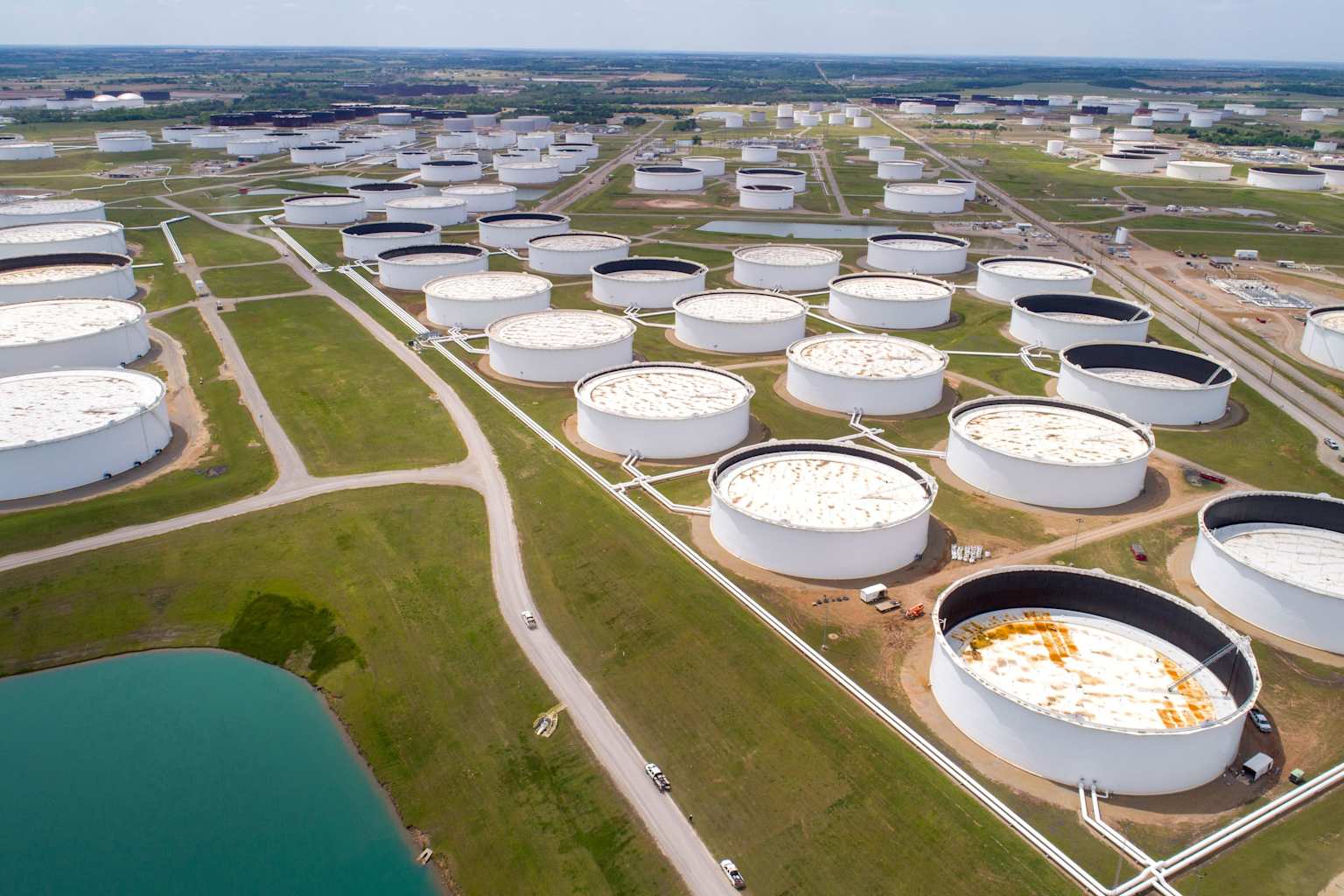
The EIA projected Brent crude would decline further to $65 per barrel in 2027 as global inventories rebuild, with oil stocks expected to grow by 2.7 million barrels per day in the fourth quarter of 2026 and 5.0 million barrels per day in 2027. U.S. crude oil production was forecast at 13.8 million barrels per day in 2026 and 14.0 million in 2027, while U.S. LNG exports were projected to rise from 15 billion cubic feet per day in 2025 to 17 billion in 2026 and 19 billion by 2027. advisorperspectives.com eia.gov
Yet on the same day the outlook was published, President Donald Trump declared the ceasefire with Iran “over” after Tehran attacked commercial ships in the Strait of Hormuz. The U.S. launched strikes on more than 80 targets in Iran overnight Tuesday into Wednesday, with Iran retaliating against U.S. bases in Bahrain and Kuwait. The Treasury Department reimposed sanctions on Iranian oil sales effective July 7. aljazeera.com euronews.com
Gasoline Relief May Be Short-Lived
The EIA forecast that U.S. retail gasoline prices would fall to an average of $3.80 per gallon in the third quarter, down from over $4.20 in the second quarter, before declining to around $3.40 per gallon by year-end — reflecting an annual average of $3.64 per gallon for 2026. For 2027, the agency projected gasoline prices would drop to roughly $3.10 per gallon under its assumption of sustained lower crude costs. eia.gov
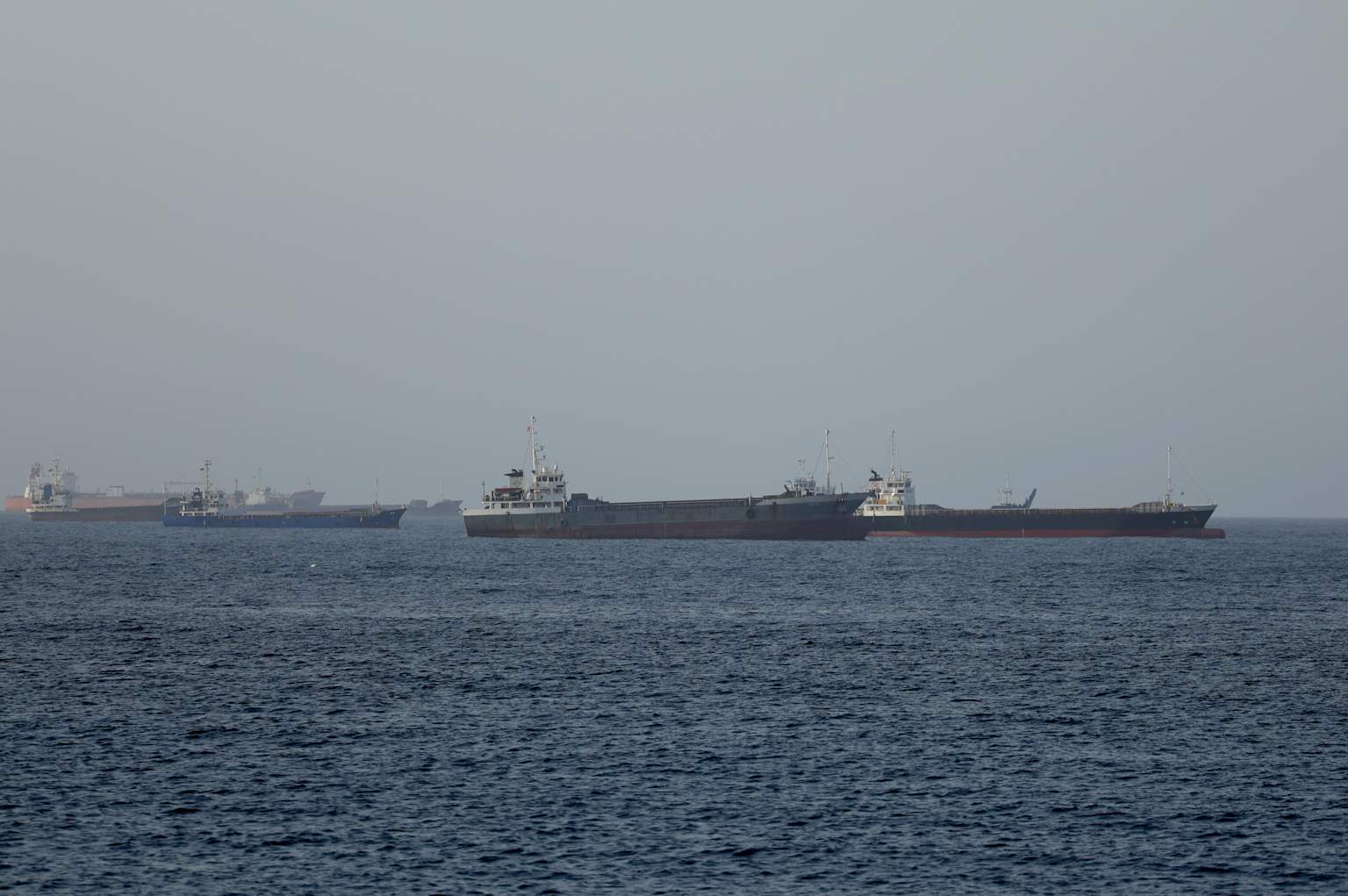
The renewed hostilities cast doubt over these projections. As of Wednesday, maritime tracking data showed the Strait of Hormuz remained effectively impaired, with only about 34 ships transiting daily compared with a prewar norm of roughly 83. The EIA acknowledged in its report that “heightened risk” in global petroleum markets could keep retail fuel margins elevated even as crude prices fall. straits.live eia.gov
The agency’s outlook now represents a best-case scenario that assumed the June 18 deal would hold — an assumption that unraveled within hours of publication.