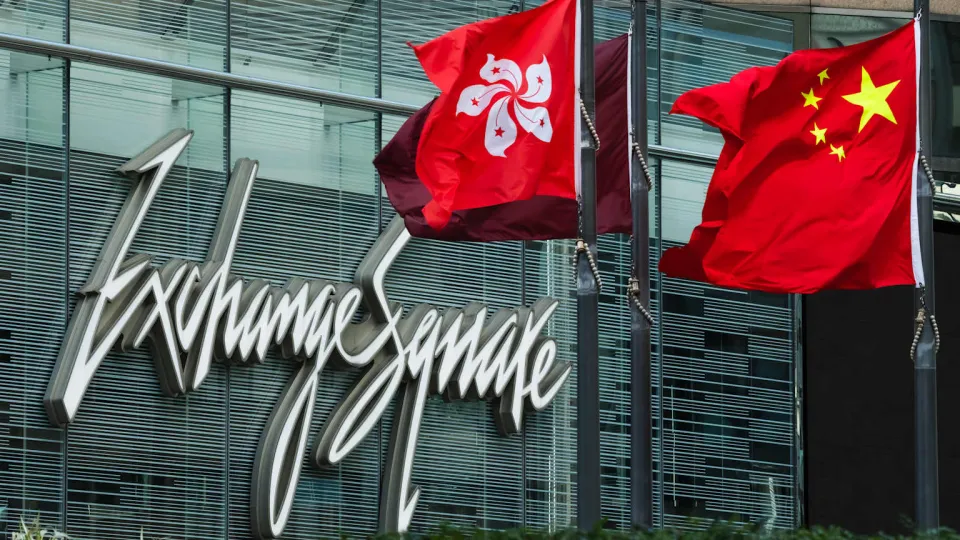
A Six-Year Policy Reversal
President Trump first signed the order on July 14, 2020, during his first term, in response to Beijing’s imposition of a national security law on Hong Kong. The order declared that Hong Kong no longer warranted treatment as an entity separate from mainland China and directed federal agencies to eliminate preferential policies across trade, immigration, and security cooperation. Ggkglaw
Nnortonrosefulbright
Ffdassociates
Cchina-briefing
Under the order, Hong Kong lost export license exceptions, became subject to the same arms embargo as mainland China, and saw products re-labeled “Made in China” for U.S. customs purposes. The directive also suspended the Fulbright exchange program with Hong Kong, ended training of Hong Kong police at U.S. law enforcement academies, and revoked preferential treatment for Hong Kong passport holders. Cchina-briefing
Ssteptoe
Ssupplychaindive
Ggkglaw
The order additionally authorized blocking sanctions against individuals deemed responsible for undermining Hong Kong’s autonomy, with several rounds of designations imposed between 2020 and 2025. Jjdsupra
Ssteptoe
Context of Broader US-China Engagement
The decision not to renew the order comes amid a broader détente in U.S.-China economic relations. In November 2025, the two countries agreed to suspend heightened reciprocal tariffs on each other’s imports through November 2026. The lapse of the Hong Kong order represents another element of that thaw. Wwhitehouse
As recently as July 2025, Trump had renewed the national emergency underlying the order for an additional year. The State Department’s April 2026 report on Hong Kong conditions still assessed that Beijing had continued to undermine the city’s autonomy and maintained that Hong Kong did not warrant its former special treatment. UUcsb
Sstate
China described the move as an important step toward restoring normal economic and trade relations with Hong Kong. It remains unclear whether sanctions imposed on individual Hong Kong officials under separate legislative authorities, including the Hong Kong Autonomy Act, will also be affected. Rreuters