Oil’s Dramatic Retreat
Brent crude has fallen more than 38 percent from its post-war peak of over $126 a barrel on April 30, dropping below $71 a barrel in early July — levels not seen since before the U.S. and Israel launched military action against Iran on February 28. The decline accelerated after the U.S. and Iran signed an initial deal on June 15 to end hostilities and reopen the strait, which had been effectively blocked for months. By late May, prices had already tumbled roughly 20 percent from their 2026 highs as traders priced in the ceasefire framework. wsls.com reuters.com cnbc.com aljazeera.com
The agreement, mediated by Pakistan, called for a permanent end to hostilities, a 60-day extension of the existing ceasefire, and the reopening of the strait to toll-free shipping. Iran’s Foreign Minister Abbas Araghchi said on June 28 that Iran would oversee the reopening, with Hormuz returning to pre-war capacity within 30 days. reuters.com youtube.com vpm.org
Central Banks Pivot to Patience
Standard Chartered’s weekly market outlook published July 3 declared that “peak hawkishness” may have passed for the global monetary cycle. “With US crude oil back below USD 70/bbl, the energy-inflation threat has likely faded, allowing central banks to stay patient,” the bank wrote, noting that lower oil had dragged down inflation expectations and long-term bond yields in the U.S. and Europe since their May peaks. sc.com
OCBC struck a similar tone in its second-half 2026 outlook, forecasting that the Federal Reserve will hold its benchmark rate at 3.50%-3.75% throughout 2026 — the level it has maintained since at least March. OCBC expects the European Central Bank to deliver one final 25-basis-point hike before pausing, the Bank of England to leave rates unchanged, and the Reserve Bank of Australia to remain on hold. businesstoday.com.my federalreserve.gov
Standard Chartered said softer June U.S. payrolls data had pushed back market expectations for a Fed rate hike, and that Fed Chair Kevin Warsh had cited lower inflation expectations as a reason long-term yields had fallen. sc.com
Risks Remain
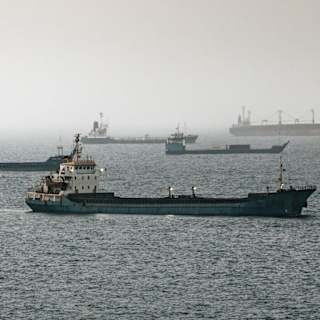
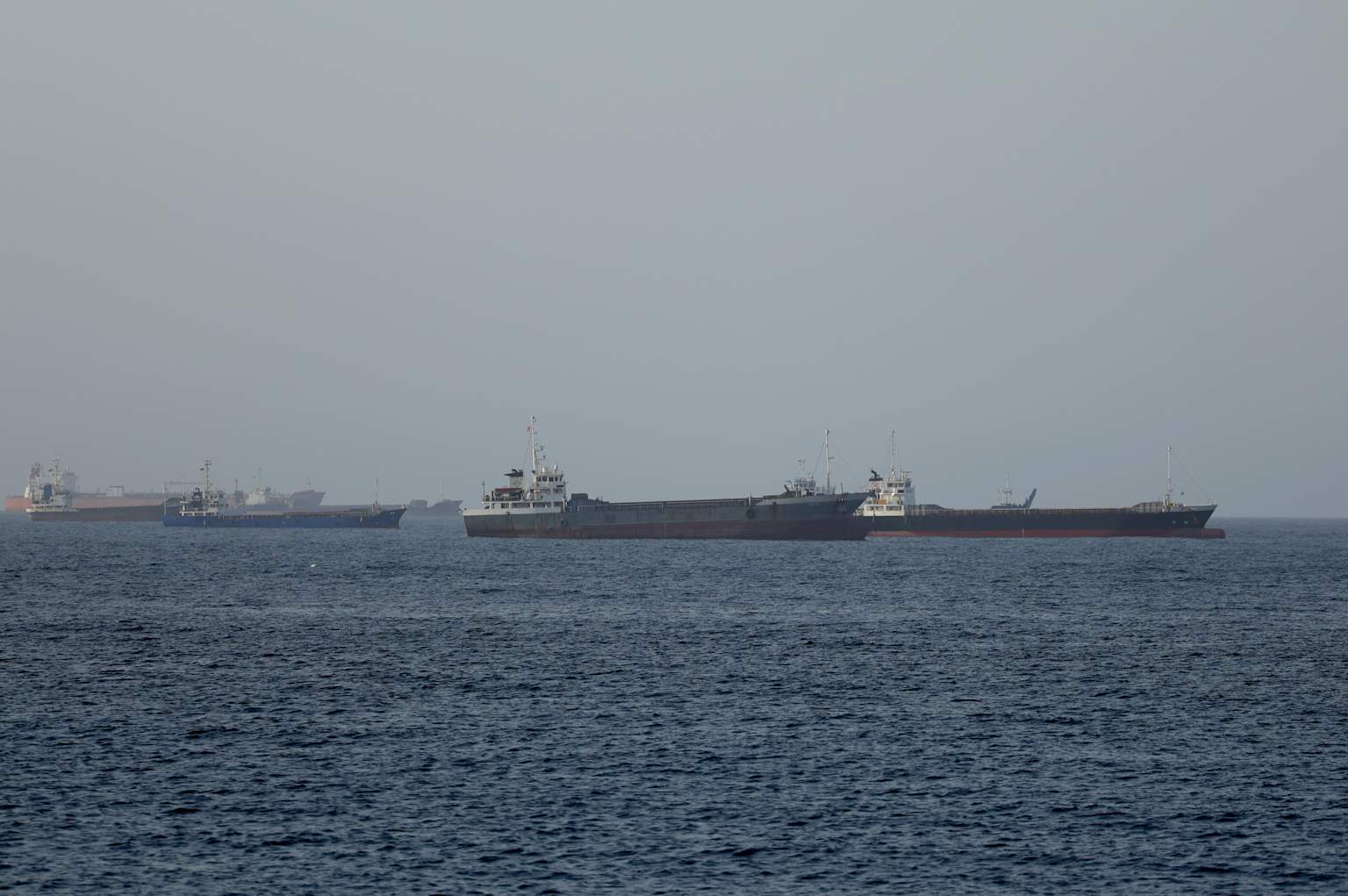
Both banks cautioned that the outlook depends on oil staying low and inflation continuing to cool. Standard Chartered warned that the fragile U.S.-Iran ceasefire could collapse after the U.S. midterm elections in November, sending prices sharply higher again. With Hormuz shipping traffic still at only a quarter of pre-conflict levels, the normalization of oil flows remains incomplete. Qatar said this week that U.S. and Iranian officials had made “positive progress” in indirect talks aimed at resolving remaining issues under the memorandum of understanding, but a final peace deal has yet to be reached. aljazeera.com sc.com