The Delay
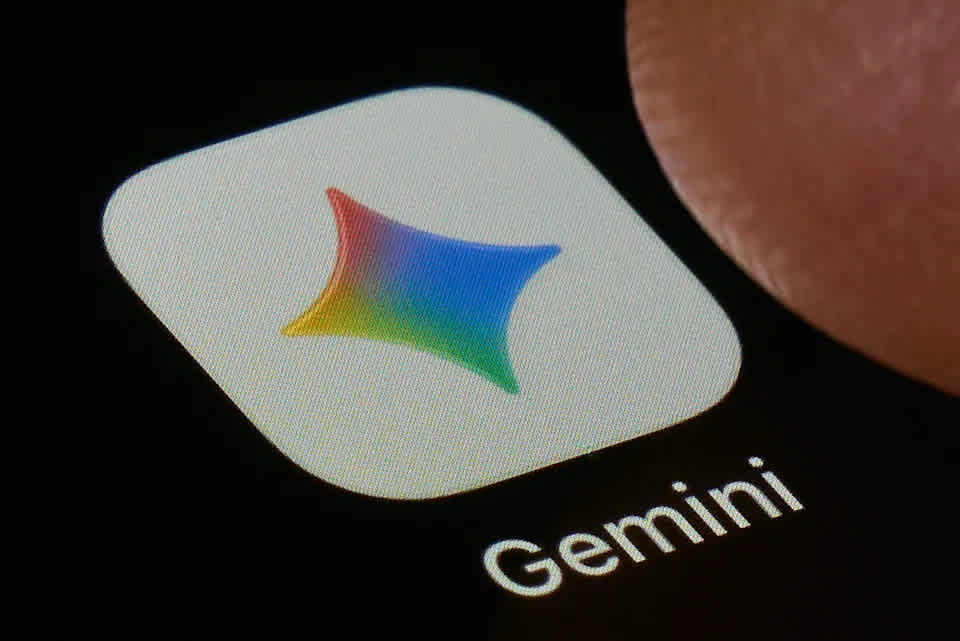
Google CEO Sundar Pichai said during the company’s I/O developer conference in May that Gemini 3.5 Pro would ship the following month. That deadline came and went, and as of July 16, the model still has not reached general availability. Bloomberg reported on Thursday that the company has been working to improve the model’s capabilities, particularly in coding, where it has fallen short of internal performance goals. A Google spokesperson told Bloomberg that the company is “currently testing 3.5 Pro” with partners but did not name a new release date. Ssearchenginejournal
UUsnews
Ccnbc
Wwtvbam
Alphabet shares fell roughly 4.6% on July 16, according to trading data, as the report revived investor concerns about whether returns from massive AI infrastructure spending will materialize quickly enough to justify elevated valuations. Ttradingeconomics
Broader Market Fallout
The Gemini delay compounded selling pressure already building across chip stocks. TSMC reported record second-quarter results on the same day but lifted its 2026 capital expenditure guidance to $60 billion–$64 billion, up from a prior forecast of $52 billion–$56 billion. While TSMC framed the increase as a response to “strong structural demand” including “the newly emerging agentic AI market,” investors interpreted the higher spending as a signal that returns remain distant. Ww
Ttrendforce
YYahoo Finance
The S&P 500 fell 0.5%, the Nasdaq Composite sank 1.5%, and memory and chip stocks bore the brunt of the damage. Western Digital and SanDisk led declines with losses exceeding 7%, while Micron fell 4.5% and Intel dropped 2.4%. In Asia, Seoul’s Kospi plunged 6.4%, with SK Hynix down 11.5% and Samsung Electronics losing 8.8%. Tokyo’s Nikkei 225 fell 2.8%. Ppost-gazette
A Familiar Pattern
The selloff echoed a pattern that has recurred throughout 2026: periodic bouts of doubt over whether AI spending, now reaching hundreds of billions of dollars annually across the largest technology companies, will translate into proportionate revenue gains. Alphabet itself guided for $175 billion–$185 billion in 2026 capital expenditures during its fourth-quarter earnings call in February, far exceeding analyst expectations at the time. The combination of that spending commitment and a delayed flagship model sharpened the question investors keep asking — when the payoff will arrive. Iinvesting