China Seeks Long-Term LNG Deals Beyond the Gulf
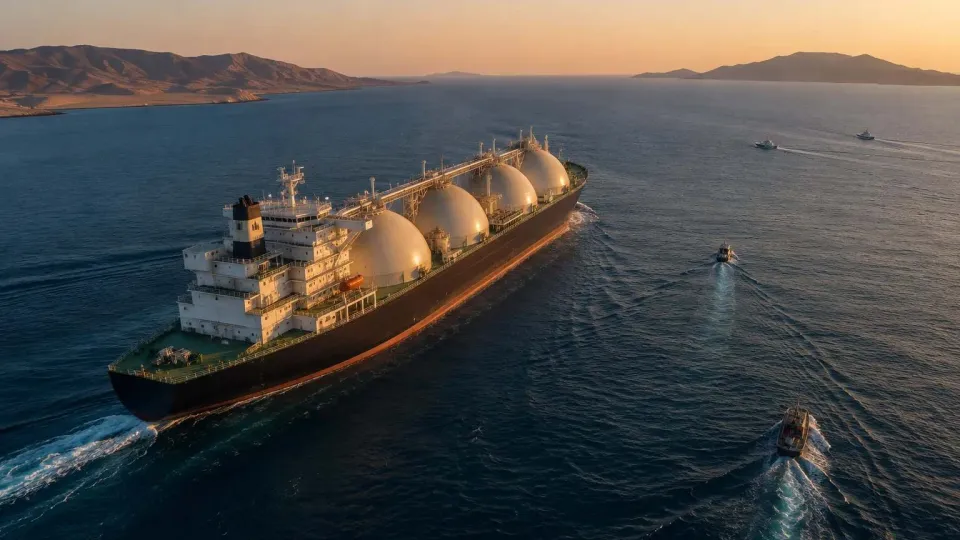
Bloomberg reported on Thursday that major Chinese state-owned LNG buyers, including Sinopec and PetroChina, are in discussions with exporters outside the Persian Gulf to sign contracts for deliveries beginning before 2030, with terms of at least a decade. Canada is among the sources being considered, according to people familiar with the matter. Bbloomberg
BBloomberglaw
The push comes after Qatar’s LNG exports were devastated by the crisis. Qatar halted production at its flagship facility after an Iranian drone attack in early March, and subsequently declared force majeure on contracts. China’s LNG imports from Qatar — which accounted for roughly 30 percent of the country’s supply in 2025 — have collapsed. China’s April LNG imports fell to their lowest level since 2018, according to Kpler data cited by Reuters. Ffacebook
Rreuters
Bbusinesstimes
Bbloomberg
Separately, Asian buyers expected Qatar to let its force majeure lapse in mid-July, though the strait’s continued closure complicates any export resumption. Bbloomberg
India Diversifies, Gulf States Build Bypass Infrastructure
India has shifted to alternative suppliers and routes since the crisis began. Reuters reported in May that Indian refiners increased imports from Venezuela, Brazil, Angola, and Nigeria during April and May to compensate for disrupted Middle Eastern supply. As of March, approximately 70 percent of India’s crude imports were routed through alternative maritime paths, up from 55 percent the prior year. Oopenthemagazine
Iindia-briefing
Rreuters
Gulf producers are meanwhile investing heavily in physical bypass infrastructure. The UAE’s new pipeline to circumvent the strait reached 50 percent completion, with ADNOC CEO Sultan Al Jaber saying the project is being accelerated toward a 2027 start. Saudi Arabia is considering expanding its Red Sea pipeline capacity, while Iraq is advancing the 435-mile Basra-Haditha pipeline connecting to Jordan, Syria, and Turkey. Ccnbc
Rreuters
Nnypost
A Permanent Shift?
Goldman Sachs estimated that by end of 2027, existing and planned pipeline capacity could insulate more than 45 percent of pre-war Persian Gulf oil exports from future Hormuz disruptions, rising to 60 percent by the end of 2028. The UAE is also planning a new port on the Arabian Sea side of the strait to handle imports without transiting the waterway. Nnypost
Aaxios
The crisis, now in its fifth month, has already prompted what analysts describe as a structural reorientation of global energy flows — one that may outlast the conflict itself.